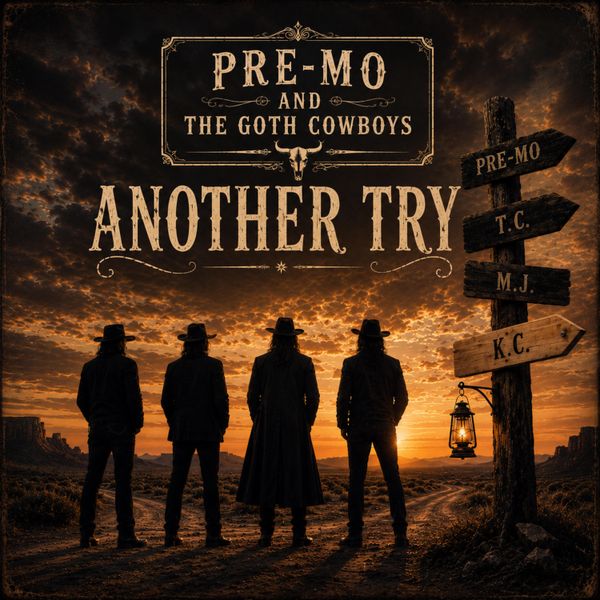
Long before “emo” became a recognized genre or cultural movement, Tommy Howe was writing songs about heartbreak, longing, hope, and the complicated emotions that come with loving someone. Many of the lyrics featured on I
Read more
Long before “emo” became a recognized genre or cultural movement, Tommy Howe was writing songs about heartbreak, longing, hope, and the complicated emotions that come with loving someone. Many of the lyrics featured on I Was Emo Before It Was Cool were originally written during the 1970s and 1980s, decades before emotional vulnerability became a common theme in mainstream music. The album's title is both a playful observation and a sincere reflection of a songwriter who was expressing those feelings long before there was a label for them.
Performed by Pre-Mo and The Goth Cowboys, the album blends country, rock, and Americana influences with deeply personal storytelling. The result is a collection of songs that explore love found, love lost, dreams pursued, and lessons learned along life's winding roads. From heartfelt ballads to upbeat country-rock anthems, each song captures a different chapter of the human experience while maintaining the emotional honesty that inspired the project.
At the center of the band is Pre-Mo, the musical alter ego of songwriter Tommy Howe. The name "Pre-Mo" is a tongue-in-cheek reference to being "pre-emo"—someone who was writing emotionally driven songs before the term existed in popular culture. After a successful career as a network engineer, Howe returned to a lifelong passion for songwriting, dusting off notebooks filled with lyrics written over several decades and bringing them to life through modern technology.
Working with AI-assisted music production tools, Howe transformed these long-shelved songs into fully realized recordings while preserving the original spirit and emotion of the lyrics. The project represents a unique blend of old-school songwriting and new-school creativity, proving that a good song can endure for generations.
I Was Emo Before It Was Cool is more than a debut album—it's a musical time capsule spanning nearly fifty years of inspiration, memories, and personal growth. Through Pre-Mo and The Goth Cowboys, Tommy Howe invites listeners to laugh, reflect, sing along, and perhaps see a little of their own story in the songs. After all, emotions never go out of style—even if "emo" wasn't cool yet.